How to Compare Water Slide Rental Prices Without Sacrificing Safety
A water slide can turn a backyard party into the event every kid talks about at school. It can also keep guests moving and happy during a long summer birthday party rental when the heat climbs and tempers get short. The tricky part is sorting out water slide rental prices and understanding what sits behind the number. The cheapest bid on your screen might look tempting, yet the wrong choice risks more than a little disappointment. Wet equipment can be unforgiving, and you want a setup that is properly anchored, sanitized, supervised, and insured.
I have spent weekends on both sides of the fence, as a parent comparing quotes and as a consultant helping a party rental company tighten its safety protocols. The patterns are consistent across regions. The best value rarely comes from the very lowest sticker price. Reliable vendors charge enough to deliver safe, clean, on-time service, then prove the difference with details that show up in the equipment, the crew, and the paperwork.
Why prices vary so widely
Two families on the same block can pay very different amounts for what sounds like the same inflatable slide rental. Location, equipment size, delivery distance, labor, and insurance all influence the bottom line. A small single-lane wet dry slide rental for a three-hour backyard party might run in the low hundreds in a smaller town, while a giant water slide rental for an all-day corporate picnic in a major metro can easily exceed a thousand once attendants, generators, and extended hours are layered in.
Most markets show broad ranges:
- Standard water slide rental prices often fall between 250 and 600 dollars for a day, with smaller units toward the low end and taller dual-lane slides near the top.
- Giant water slide rental options, typically 18 to 24 feet tall, can run 500 to 1,200 dollars depending on brand, condition, and demand.
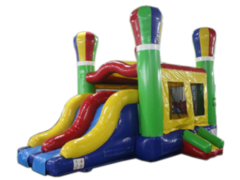
- Bounce house rental prices for dry units commonly land between 120 and 300 dollars for a basic four to six hour period, with combo bounce house rental units that include a small slide and basketball hoop running higher.
These are not universal numbers. Coastal cities with higher labor and warehouse costs trend upward. Rural routes that require long delivery drives add mileage or a flat travel fee. Holidays and peak summer weekends book out fast and command a premium. The critical step is to compare quotes that include the same assumptions, then look for the safety signals that justify a higher or lower rate.
What you can see in five minutes that predicts safety
The companies that treat safety as a habit tend to show it in small, public ways. Read website copy closely. Look for photos of current inventory taken in daylight, not manufacturer stock images. Check whether their site and quote mention anchoring methods, surface requirements, and weather cutoffs. These may sound like minor details, but they reveal whether a bounce house rental company has thought through real conditions at a home.
I also call and ask how they sanitize inflatables between events. A confident vendor answers with specifics: what disinfectant they use, how long it needs to dwell, and when they complete the wipe-down. A vague response about a quick spray should raise your eyebrows. Water plus heat equals a breeding ground for germs. The company that budgets time for drying and disinfecting is the company that builds enough margin into their water slide rental to do the right thing.
Anatomy of a water slide rental price
When you see a quote for a backyard party rental, consider it a bundle of several cost drivers. Unpacking these helps you compare apples to apples.
- Equipment quality and age. Commercial-grade vinyl from reputable manufacturers costs more and holds up longer. Modern slides have higher side walls, better netting, and beefier seams. Those safety features add production cost and rental value. Retail-grade gear designed for home ownership is cheaper, yet not built for repeated commercial use. If you see scuffed vinyl, mismatched patches, or faded graphics, you are probably looking at reduced safety margins and a lower rate that reflects it.
- Delivery and setup. It normally takes two trained crew members 30 to 60 minutes to unload, place, unroll, inflate, and stake or sandbag a water slide. Tight side yards, stairs, or long walks from the truck stretch that timeline. A company that charges nothing for delivery sometimes makes it up with higher base rates or shortens the service window. A company that charges fairly for distance signals they plan for adequate staffing and time on site.
- Weather policy and flexibility. Safety-focused operators will not run tall slides in brisk wind or with lightning in the area. They invest in weather monitoring, maintain clear policies, and absorb last-minute rescheduling. That resilience has a cost, and it is often reflected as a moderate, stable price rather than bargain basement.
- Insurance and compliance. True commercial general liability insurance tailored to inflatable rental work is expensive. So are workers’ comp, vehicle coverage, and city permits. If a quote looks too good to be true, there is a chance the vendor carries minimal or mismatched coverage. Always ask for a certificate of insurance with your name and event date listed.
- Labor and supervision. The bigger the inflatable slide rental, the more likely you will need trained attendants to manage flow and enforce line spacing. A cheap quote that leaves you on your own with a 22-foot slide is not a deal. It is a risk transfer you do not want.
Safety features that justify a higher price
There are visible and invisible details that separate a budget inflatable party rental from a professional setup. When you pay more, verify you are paying for these.
- Anchoring that matches the site. On grass, the gold standard is 18-inch or longer stakes driven at correct angles at every tether point, not just the front corners. On pavement or artificial turf, heavy sandbags, often 150 to 250 pounds per tie point, should replace stakes. Ask how many anchor points the slide has and what weight or stake length the crew will use on your surface.
- Electrical supply sized for the blower. Most larger wet dry slide rental units need a dedicated 15-amp circuit for each blower, sometimes two blowers for dual-lane units. Long extension cords introduce voltage drop, which weakens the blower and softens the slide. Soft inflatables lead to more tumbles. Expect a competent vendor to specify cord length limits and bring heavy-gauge cords rated for outdoor use.
- Water management that avoids mud and slip hazards. A good layout keeps the splash zone away from walkways. Discharge hoses run to a drainable area so you do not create a swamp. Proper mats at entry and exit reduce slippery vinyl transitions. These touches take time and equipment, and they signal you are not dealing with a cut-rate jumper rental.
- Cleanliness you can verify by touch. Freshly sanitized vinyl should feel clean, not tacky. Stitching should be intact. Zippers and velcro flaps used for deflation should close fully. Dirt in the seams or algae in the pool section tell you that time and chemicals were skimped.
The hidden ledger: costs you carry if the price is too low
If a vendor cuts their rate by 50 dollars, where did that savings come from? Often from an area that shifts cost or risk to you.
- No-show or late arrival. A thin margin means thin crews on oversold weekends. If your inflatable obstacle course rental or water slide does not arrive on time, the family schedule you built around it crumbles.
- Weather roulette. A company that will set up in marginal winds to avoid refunds increases the risk of a slide moving or guests colliding on a fast lane. If you ever saw a slide shift six inches on wet grass, you understand why prudent crews cancel sooner rather than later.
- DIY supervision. You become the enforcer of age limits, rider count, and lane rules. Telling a line of excited kids to slow down for the seventh time is not how most hosts want to spend their Saturday.
A quick comparison framework that balances price with safety
Here is a short, practical way to gather and compare quotes without losing sight of safety. Keep it brief, ask the same questions of each vendor, and write down the answers.
- Confirm exact model and size, including height, lane count, and footprint with blower space.
- Ask for proof of insurance and whether they can list you or your venue as additional insured.
- Clarify sanitizing process and timing, and how long equipment dries before transport.
- Nail down anchoring method for your surface and the electrical requirements per blower.
- Get the weather policy in writing, including wind thresholds and rescheduling terms.
Five minutes on the phone with a calm, competent coordinator tells you almost everything you need to know. If a vendor cannot answer these in plain language, the lower price is not worth the ambiguity.
The role of package deals and how to evaluate them
Many families pair a slide with a smaller toddler bounce house rental for younger siblings, or add a concession wagon. Combo bounce house rental packages can be a smart buy when you want variety and have staggered age groups. Just check that the added unit comes with its own blower capacity and anchoring plan, and that delivery and pickup times fit your schedule. A slightly higher package price that includes staging and extra supervision can save you from bottlenecks when the older kids take over the big slide.
For larger events, inflatable obstacle course rental units add throughput. They move lines faster than a single-lane slide, and kids love the head-to-head element. Prices for obstacle course rental equipment scale with length and features, but they also require more space and careful staffing. Your event might be better served by one large dual-lane slide than by a sprawling obstacle course if you have a tight yard or sloped lawn. Match the equipment to your site and your guest list, not just to the biggest picture on the website.
Reading quotes the way a pro does
When quotes arrive, do a structured comparison. Look beyond the subtotal. Check what each includes, and where you might face upcharges. A vendor who lists separate line items for delivery, set-up, and sanitizing is not necessarily more expensive. They might be more transparent. Another vendor who rolls everything into a single rate could still be the better buy if their included service window is longer and their crew ratio is higher.
A practical method I use is to convert quotes to an effective hourly rate that reflects on-site staffed hours, not just the time the inflatable sits in your yard. If Vendor A charges 450 dollars for six hours including one attendant, and Vendor B charges 375 for four hours with no attendant, Vendor A often provides better value and less risk.
When site conditions push price and safety in opposite directions
Sometimes the yard is not ideal. Narrow gates, steps to a backyard, or overhead branches complicate delivery and anchoring. Operators who know what they are doing will either decline the job or price in the labor and time to adapt. That can feel like sticker shock if you compared against a perfect-case setup. Trust the operator who slows down and plans.
I once watched a crew navigate a 20-foot water slide through a gate with only three inches to spare. They laid down moving blankets, protected the fence, and walked the rolled unit in on dollies with two extra hands. It took 40 minutes before they even started to inflate. The invoice was 65 dollars higher than a simpler install they did the week prior. That difference paid for time, care, and the absence of stress for the homeowner. The fence was unharmed, the crew avoided injuries, and the slide inflated square and safe.
The electrical and water details that often get overlooked
Two household circuits on separate breakers near the setup area simplify life for everyone. Ask your vendor what amperage their blowers pull at start and at steady run, and how many they plan to bring. A professional answer sounds like this: each blower draws about 8 to 10 amps once running, with a bit more at startup, so we need a dedicated 15-amp outlet per blower. We bring 12-gauge outdoor cords and keep runs under 100 feet.
For water, assume a standard garden hose with good city pressure can feed a single-lane slide. Dual-lane or giant units may benefit from a splitter and two hoses to fill the splash pad evenly and keep the lanes slick. Know where the runoff will go. If your lawn drains poorly, ask for a soaker pad to distribute water or for a modified flow setup that keeps sheets of water down to a manageable level. Turning the water down after the initial fill also reduces your water bill without affecting the fun.
Understanding the safety signals inside a contract
Before you sign, read the fine print. You are looking for plain language that sets expectations, not for clauses that trap you. Key items to scan:
- Weather thresholds specified by wind speed, not vague terms. Operators who set a 15 to 20 mile per hour cutoff for tall slides show they use industry norms.
- Supervision requirements spelled out by age. Young children should not share lanes with older, heavier riders. A vendor who prints this in their contract has your back when you enforce it.
- Cleaning and damage policy that differentiates normal wear from negligence. Fair vendors know slides pick up scuffs. They will not ding you for basic dirt. They will reserve charges for sharp-object punctures or clear misuse.
- Power and space requirements measured, not guessed. Look for minimum clearance heights and distances from walls. Realistic numbers, not just a generic “needs space” line, indicate the operator knows their inventory.
The value of brand and model names in your research
Ask for the manufacturer and model of the water slide. With that, you can search for the unit’s specs and even find videos of proper setup. Names like HEC Worldwide, Ninja Jump, or EZ Inflatables are common in commercial-grade gear. Age matters too. A five-year-old slide can be in excellent condition if stored dry and inspected between events. A two-year-old slide can be tired if it was used hard and put away wet. Photographs and maintenance logs tell the truth.
If the vendor also offers jumper rental units or a mix of party equipment rental items like tents and tables, check how they store the fleet. Vinyl should be thoroughly dry before rolling. You can ask to see their warehouse or, at least, photos. The companies proud of their operation are not shy about showing it.
How timing and demand affect what you pay
Saturdays in June will book first. If you can host a kids party rental on a Friday evening or Sunday afternoon, ask about off-peak pricing or extended hours at the same rate. Vendors often prefer to keep their crews busy across the weekend and will work with you on timing. Booking two to four weeks in advance obstacle course rental usually locks in better selection. For holiday weekends, think in terms of months, not weeks.
If a vendor offers a discount that feels steep, ask what it covers. Sometimes it is a last-minute cancellation they are filling. Sometimes it is an older slide they plan to retire after the season. Neither is inherently unsafe, but your questions should be sharper. Verify those same anchoring and sanitation standards. Confirm that any cosmetic wear has been patched and inspected.
A safety and value checklist to use on delivery day
Even with strong prep, the last mile matters. When the crew shows up, be present for a short walkthrough. You are not trying to manage them. You are observing a routine.
- Watch the anchoring. Stakes should go in firm soil at recommended angles. Sandbags should look heavy and be strapped to anchor points, not just placed on a flap.
- Check that blowers are clear of obstructions and cords are routed away from foot traffic with covers or tape.
- Confirm the water flow is even and the landing area drains or can be bailed without sending water toward doorways or play structures.
- Ask for a quick briefing on rider limits and rules, then repeat them to whomever will help supervise.
- Do a quick touch test for cleanliness on high-touch areas like the ladder and handholds.
This five-minute routine catches most preventable issues. A good crew will appreciate your attention and answer questions without defensiveness.
When a bounce house, not a water slide, is the safer or smarter choice
Not every backyard party needs a water feature. If temperatures look mild, a standard bounce house rental can be safer for mixed-age groups, especially with toddlers who struggle on slick ladders. A combo bounce house rental introduces a smaller slide with a gentler slope. For tight yards, a compact inflatable rental at a lower height might be the only option that meets clearance requirements away from eaves and wires. The point is not to upsell yourself to the largest option. It is to align the unit with your guests and space.
What a fair, safety-forward invoice looks like
A clear invoice lifts the fog. You should see:
- Unit name and size, wet or dry mode noted.
- Rental duration with specific delivery and pickup windows.
- Delivery fee or mileage, if applicable.
- Attendant hours, if purchased.
- Taxes and any permit fees.
- Payment schedule and refund or reschedule terms under weather.
If you get this level of detail, the number at the bottom becomes more meaningful. You can assess water slide rental prices against real deliverables, not wishful thinking.
A quick reference for comparing value versus risk
The table below summarizes how certain choices affect both safety and cost. Use it to interpret why one party rental quote might be higher and decide whether that difference serves you.
| Factor | Safety impact | Cost impact | What to look for | |--------------------------------|----------------------------------------------|-----------------------------------|---------------------------------------------------| | Commercial-grade vinyl | Strong seams, better fall protection Find more information | Higher daily rate | Named manufacturer, current photos | | Proper anchoring | Prevents slide creep and tip risks | Additional labor or weight costs | Stakes on grass, sandbags on hard surfaces | | Dedicated circuits and cords | Keeps slide firm, reduces blower failures | Sometimes extra generator fees | 12-gauge cords, short runs, clear power plan | | Sanitizing and drying routine | Cuts illness risk, preserves materials | Added turnaround time | Named disinfectant, drying before rolling | | Trained attendants | Enforces rider rules, reduces collisions | Hourly charge per attendant | Ratio of attendants to lanes or units | | Weather monitoring and policy | Avoids unsafe wind and lightning exposure | Reschedule or refund costs | Written wind thresholds and reschedule terms | | Travel distance | None directly, but affects crew fatigue | Delivery or mileage fees | Transparent fees, precise arrival windows |
Bringing it all together for a backyard party that runs smoothly
Think of the quote you accept as a commitment to a safe, happy day. If you prioritize a clean, well-anchored water slide, an honest weather policy, and a company that trains its crews, you will likely spend a bit more than the bottom of the market. In return, you get predictability, safer play, and equipment that looks and feels cared for. When little cousins line up behind big kids, an attendant who sets the pace and reminds riders to go feet first pays for themselves within the first half hour.
The same reasoning applies across the catalog. Whether you are booking an inflatable obstacle course rental for a school carnival, a jumper rental for a toddler’s backyard party rental, or a giant water slide rental for a neighborhood block party, let safety guide the shortlist, then compare prices within that safety-first set. The difference between a good day and a great one often shows up in those quiet, professional habits you only notice when they are missing.
If you build your comparison around the specific unit, clear safety standards, and a vendor who answers questions with real numbers, you will find the sweet spot. Not the cheapest line on the page, not the most expensive trophy slide, but a well-priced, well-run inflatable party rental that keeps the kids moving, the adults relaxed, and your lawn intact.